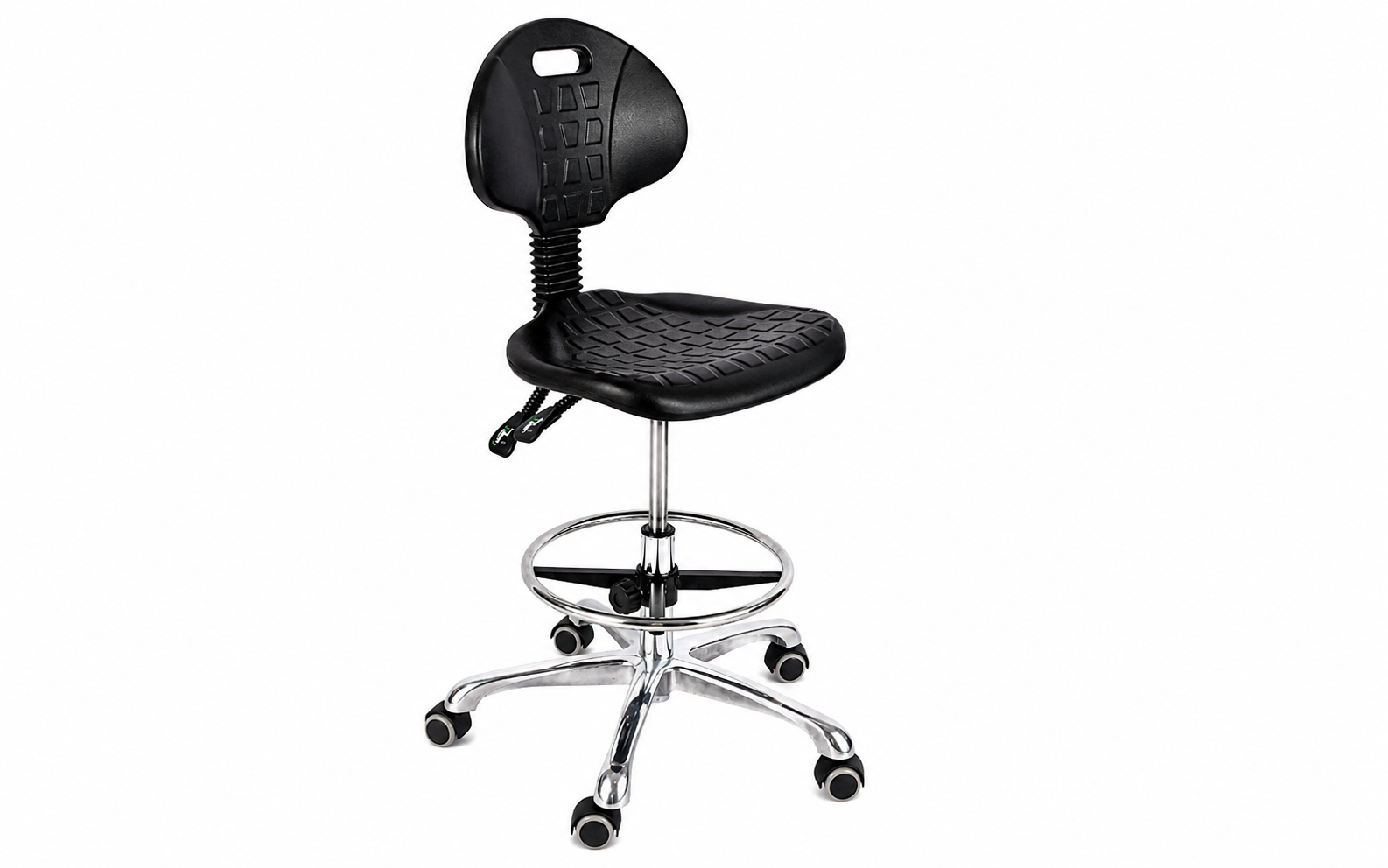
For distributors in Argentina, forecasting laboratory chair demand should start with customer behavior rather than guesswork. B2B buyers often purchase seating when a new laboratory opens, a university upgrades classrooms, a hospital renovates technical areas, or an industrial plant expands quality control capacity. These moments can be tracked through inquiries, quotation history, sample requests, regional projects, and repeat replacement cycles. A distributor that sells an industrial polyurethane with chrome foot ring and casters adjustable laboratory chair should record which sectors request it, how many units they consider, which delivery dates they prefer, and what objections appear before approval. This information turns daily sales conversations into planning data. Instead of waiting until stock is empty, Argentine dealers can identify demand signals early and prepare inventory that supports fast response, stronger quotations, and better customer confidence across Buenos Aires, Córdoba, Rosario, Mendoza, and other developing laboratory markets.
A practical inventory plan should divide demand into confirmed orders, probable projects, and strategic display stock. Confirmed orders come from approved purchase requests, framework agreements, or scheduled installations. Probable projects include laboratories that have requested samples, asked for technical sheets, or compared prices but have not yet released payment. Strategic display stock covers models used for demonstrations, dealer training, and urgent replacement opportunities. For an industrial polyurethane with chrome foot ring and casters adjustable laboratory chair, distributors can keep a controlled quantity available because the same specification may serve universities, hospitals, testing companies, food laboratories, and industrial inspection rooms. This reduces the risk of overstocking niche models while still helping sales teams respond quickly. Inventory should also include spare casters, foot rings, gas lifts, and packaging references so after-sales service does not depend on a complete chair replacement for every minor customer issue.
Forecasting becomes more accurate when distributors connect sales data with project timing. Argentina’s B2B laboratory furniture demand may rise before academic semesters, facility audits, production expansions, tender deadlines, and budget closing periods. Dealers can review past inquiries by month, customer segment, region, and product configuration to see which patterns repeat. They should also monitor how long each lead takes to move from inquiry to quotation, sample approval, order confirmation, and delivery. This helps management set reorder points based on actual conversion speed rather than optimistic sales expectations. If a region generates many small orders, local availability may matter more than deep central warehouse stock. If large institutional buyers dominate, distributors may need supplier reservations, import planning, and phased delivery schedules. Clear forecasting also helps marketing teams publish Google-friendly content about laboratory chair availability, inventory planning, and B2B seating supply in Argentina, attracting serious customers before urgent purchasing begins.
The best inventory strategy should protect both customer satisfaction and dealer margin. Too little stock creates missed projects, rushed imports, and weaker negotiation power, while too much stock ties up cash and increases storage pressure. Distributors should build a simple dashboard showing active quotations, expected closing dates, stock on hand, units reserved, incoming shipments, replacement parts, and slow-moving models. When the industrial polyurethane with chrome foot ring and casters adjustable laboratory chair becomes a proven reference item, it can be managed with minimum and maximum stock levels that reflect real demand. Argentine dealers that forecast carefully can offer faster lead times, more reliable quotations, and stronger after-sales support to laboratories, clinics, universities, manufacturers, and resellers. Over time, disciplined inventory planning turns laboratory chair supply from a reactive purchase into a predictable B2B growth engine, helping distributors win repeat orders and build trust across the local market. It also makes annual purchasing discussions easier because buyers see consistent supply, documentation, and support from one partner.
READ MORE