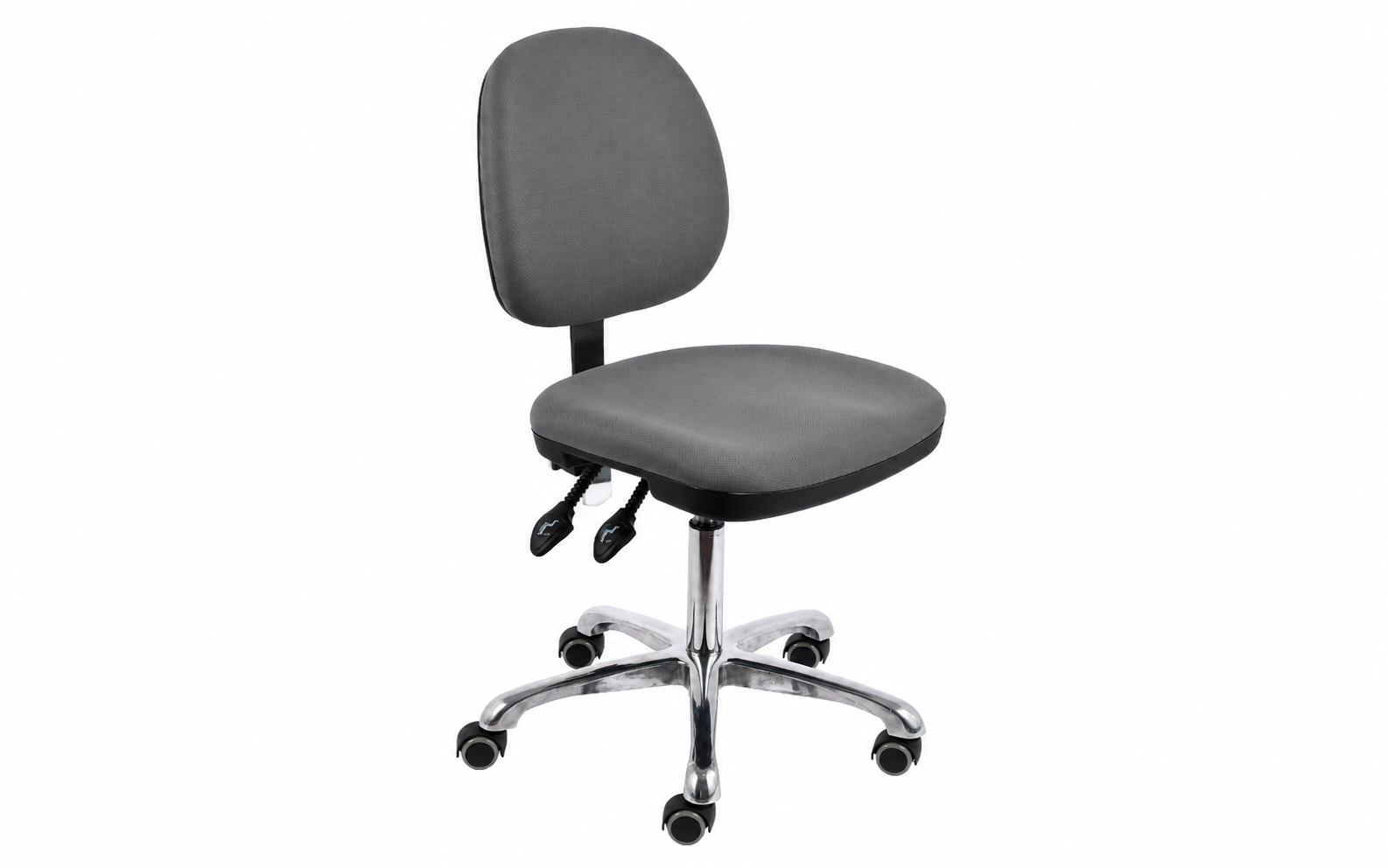
Laboratory environment upgrading in Argentine research institutions increases chair demand because modernization changes how space, people, and equipment interact. Renovation projects often replace fixed benches with modular workstations, introduce taller analytical platforms, add digital instruments, improve circulation paths, and reorganize rooms for shared use by several research teams. Each of these changes creates new seating requirements that older chairs may not satisfy. A chair that worked beside a traditional desk may be too low for an elevated bench, too difficult to clean for a revised hygiene protocol, or too unstable for users who move repeatedly between instruments. Research institutions also tend to expand the number of active work points when they modernize, because upgraded spaces are expected to support more experiments, more students, and more collaborative projects without enlarging the building footprint. This means seating must become more flexible, compact, durable, and easy to reposition. For Argentine distributors, the opportunity is not limited to replacing worn furniture; it is to participate in the design stage and help laboratories match chair specifications to the new workflow. A product such as an industrial polyurethane with chrome foot ring and casters adjustable laboratory chair can be evaluated against bench height, movement frequency, cleaning routines, and multi-user adjustability before procurement is finalized. That process is especially important in B2B projects because research institutions often involve architects, laboratory managers, purchasing departments, safety officers, and end users in the same decision. When distributors provide technical drawings, samples, dimensional guidance, and configuration recommendations early, they reduce specification errors and make it easier for institutions to include suitable seating in the renovation budget instead of treating chairs as a last-minute accessory.
Upgrading also increases demand because the functional expectations placed on laboratory seating become more demanding. Modern laboratories are increasingly designed around long operating hours, shared equipment, data recording, rapid cleaning, and frequent changes in user posture. Researchers may alternate between microscope work, sample preparation, computer entry, and instrument monitoring during the same shift, so a fixed or domestic-style chair can create inefficiency and discomfort. Institutions that invest in new ventilation, flooring, storage, lighting, and analytical equipment become more aware of the need for seating that supports the same professional standard. Procurement teams therefore begin to assess surface materials, adjustment range, caster behavior, foot support, component durability, and replacement-part availability instead of buying only on appearance or price. For an industrial polyurethane with chrome foot ring and casters adjustable laboratory chair, buyers can compare how the surface responds to routine cleaning, whether the chrome ring provides stable support at elevated stations, whether the casters suit the selected floor, and whether one model can serve users of different heights. Argentine distributors can strengthen their B2B position by offering this evaluation as part of the upgrade project. They can map the number of seats required by room, identify which areas need mobile chairs and which need more stable bases, estimate spare units, and propose phased deliveries that follow construction milestones. This creates value for research institutions because seating arrives when each laboratory zone is ready, reducing storage pressure and avoiding damage during building work. It also gives distributors more predictable demand, better inventory planning, and a stronger basis for negotiating production schedules with suppliers. In this context, modernization creates a broader market than simple replacement: it generates demand for standardized chair families, pilot units, spare components, and long-term replenishment agreements across multiple departments or campuses.
A further reason demand rises is that laboratory upgrades often trigger institutional review of safety, maintenance, and total cost of ownership. Once a research center begins documenting assets and setting new operating standards, outdated chairs with damaged upholstery, unstable mechanisms, unsuitable heights, or difficult-to-clean surfaces become visible as operational risks. Facilities teams may decide to retire mixed furniture and move toward standardized seating that is easier to inspect, maintain, and reorder. Standardization is commercially significant for Argentine distributors because it can turn a one-time renovation order into a continuing account. If one department approves an industrial polyurethane with chrome foot ring and casters adjustable laboratory chair, the same specification may later be extended to teaching laboratories, quality-control rooms, pilot plants, or satellite facilities. Distributors that keep accurate records of approved configurations, purchase dates, user feedback, and replacement intervals can forecast future demand and approach the institution before shortages appear. They can also create original Google-friendly content around laboratory modernization in Argentina, including guidance on bench-height compatibility, chair mobility, polyurethane cleaning, foot-ring selection, and procurement sequencing. This type of application-led information attracts both institutional buyers and regional dealers because it addresses real project questions rather than repeating generic product descriptions. The most successful distributors will position themselves as planning partners who understand renovation schedules, technical documentation, local delivery, and after-sales support. By coordinating sample trials, room-by-room quantity estimates, specification approval, phased supply, and spare-part availability, they help research institutions protect the value of their broader laboratory investment. As Argentine laboratories continue to improve efficiency, flexibility, and professional standards, seating becomes an essential part of the upgraded environment, creating sustained B2B demand for suppliers that can combine suitable products with reliable project execution.
READ MORE