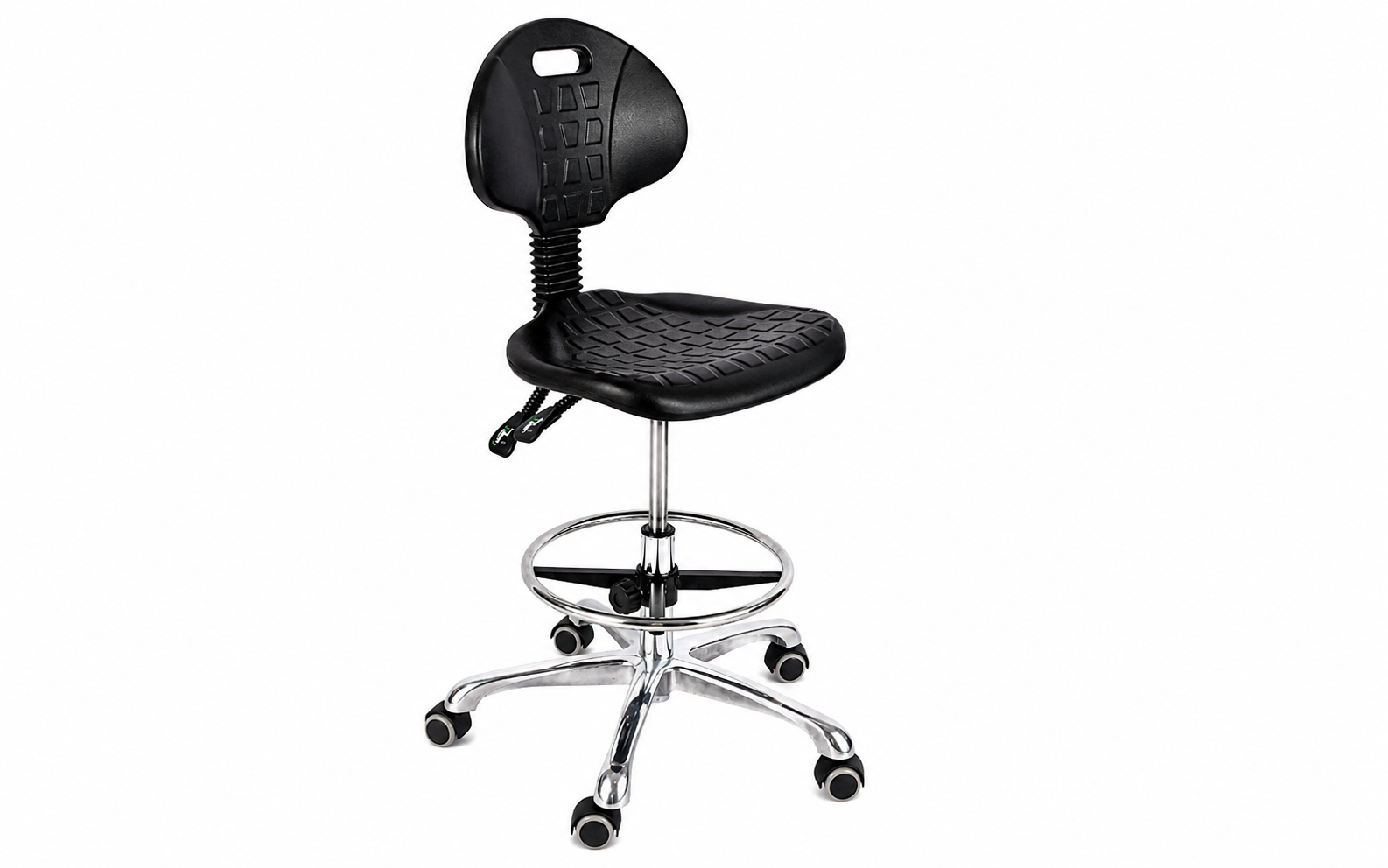
For distributors in Argentina, choosing a regional distribution model for laboratory chairs should begin with a clear map of where demand is likely to grow and how buyers prefer to purchase. Buenos Aires may require faster quotations, broader product choices, and stronger price comparison, while Córdoba, Rosario, Mendoza, and emerging industrial zones may value dependable stock, local demonstrations, and practical after-sales support. A B2B dealer selling an industrial polyurethane with chrome foot ring and casters adjustable laboratory chair should decide whether to operate through centralized warehousing, regional reseller partners, project-based representatives, or mixed coverage. The best model is not always the largest network; it is the one that gives laboratories, universities, clinics, food testing companies, and manufacturers reliable access to products, information, samples, and service. Regional planning helps distributors reduce transport pressure, protect margins, and build repeat customers instead of chasing isolated one-time orders.
A centralized model works well when a distributor has strong internal sales, stable inventory, and customers that accept planned delivery from one main warehouse. It gives management better control over stock, pricing, documentation, and product standards. However, laboratory seating often requires explanation, especially when buyers must match chair height with benches, floor conditions, cleaning routines, and replacement cycles. For an industrial polyurethane with chrome foot ring and casters adjustable laboratory chair, regional customers may want to see the product, test mobility, or discuss installation before approving a larger order. That is why distributors should consider adding local sample points or trained reseller partners in strategic cities. A reseller model can create faster access and local trust, but it must be supported with clear quotation templates, product training, warranty rules, and consistent technical information so customer experience does not vary from region to region.
Long-term growth also depends on selecting regions by customer segment, not only by geography. A province with universities may generate semester-based classroom upgrades, while an area with food processing companies may need seating for testing and quality control rooms. Industrial corridors may require durable chairs for inspection benches, and healthcare clusters may need cleanable seating for technical support areas. Distributors should compare each region by lead volume, project size, payment behavior, logistics cost, service complexity, and reorder potential. This helps them decide where to keep inventory, where to place samples, and where to develop dealer relationships. They can also publish Google-friendly content for each market, such as laboratory chair distributor in Córdoba, B2B laboratory seating in Rosario, or lab furniture support for Mendoza. Localized educational content attracts qualified buyers and gives regional partners stronger sales material. It also helps managers decide whether a region needs full distribution coverage, a mobile sales visit schedule, or only digital support until demand becomes predictable enough for local investment and inventory placement planning.
A successful distribution model should include measurement. Distributors should track inquiry source, quotation response time, sample conversion, delivery performance, service requests, reseller activity, and repeat order rates by region. If an industrial polyurethane with chrome foot ring and casters adjustable laboratory chair becomes a proven reference model, the company can set regional minimum stock, prepare spare parts, and standardize sales language around its strongest applications. Argentine distributors should also review whether each partner protects brand value or only competes on price. Long-term growth comes from combining local presence with disciplined management, reliable documentation, and shared customer knowledge. When dealers choose a distribution model based on data, service capability, and B2B market education, they can expand beyond their home city, support laboratories more professionally, and build a regional laboratory chair business that remains profitable through changing project cycles and customer expectations across Argentina over time.
READ MORE