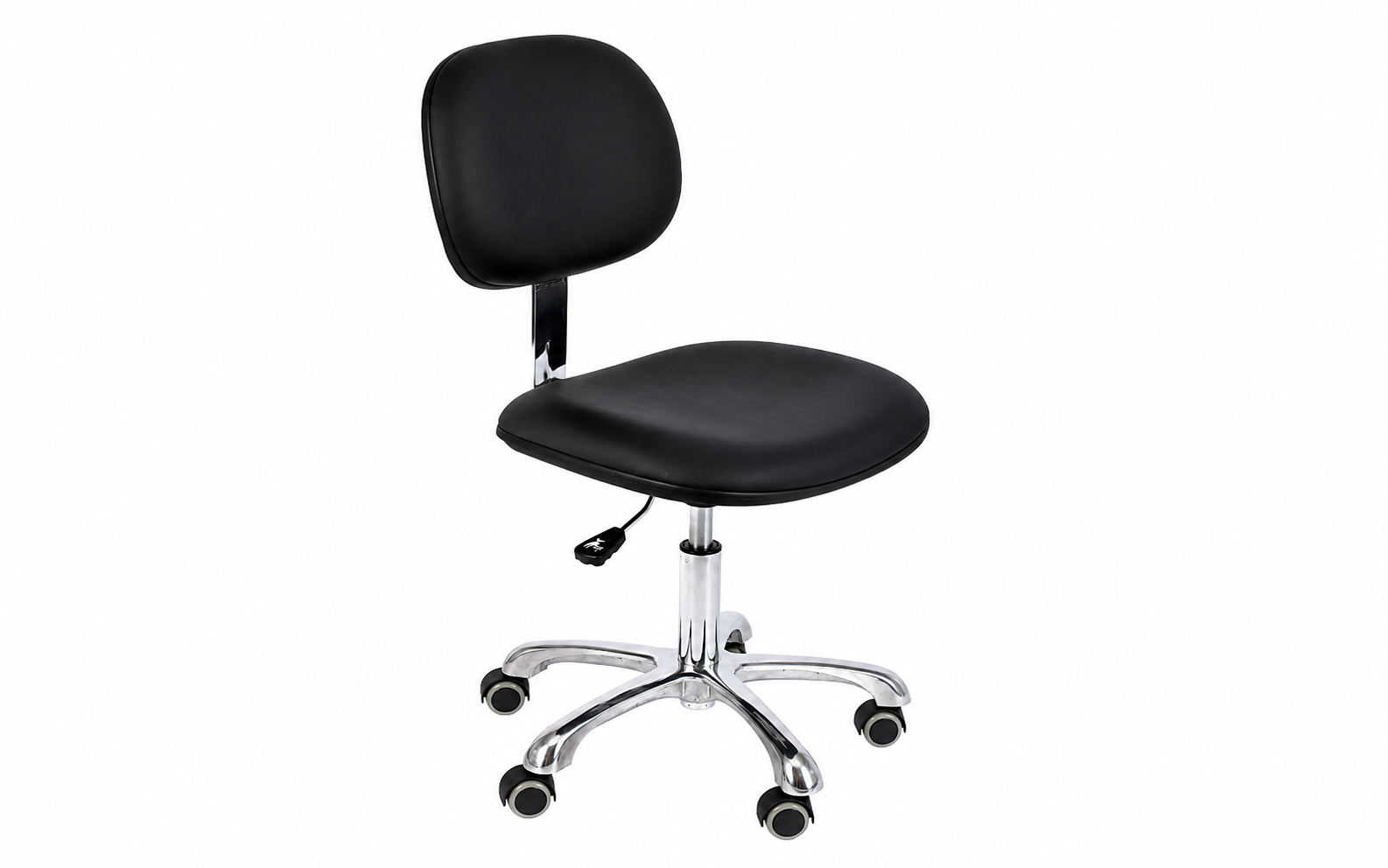
Buyers in Argentina can extend laboratory chair lifespan through standardized spare parts by treating component planning as part of the original procurement decision, not as a reactive repair task after a chair fails. In many laboratories, chairs remain structurally useful for years, but their service life is shortened because small components are difficult to identify, incompatible replacement parts are purchased, or no one knows which distributor can supply the correct accessories. Universities, hospitals, pharmaceutical laboratories, biotechnology facilities, food testing centers, environmental analysis rooms, technical education institutions, electronics inspection areas, and industrial quality-control departments all face this problem when seating is used by many people across different rooms and shifts. A product such as industrial polyurethane with chrome foot ring and casters adjustable laboratory chair can be used as a practical lifecycle example because its long-term value depends not only on the main seat and base but also on the availability and compatibility of casters, foot ring parts, height-adjustment components, fasteners, protective caps, and assembly hardware. Argentine buyers should request a spare parts passport before confirming a purchase. This passport should list the approved product code, component names, compatible replacement codes, expected wear points, distributor contact information, warranty boundaries, and recommended inspection intervals. The goal is to make every future repair faster and less uncertain. If a caster wears out, the maintenance team should know exactly which part fits. If a foot ring becomes scratched or loose, procurement should not need to search from zero. If a chair is moved between departments, the product identity should remain traceable. This approach attracts Argentine distributors and customers because it makes laboratory seating easier to manage over time. Standardized spare parts reduce emergency replacement orders, protect project budgets, improve user continuity, and help distributors become trusted lifecycle partners rather than one-time sellers. When buyers begin with component standardization, they create a more durable B2B procurement model and extend the useful life of every approved laboratory chair.
The second step is to build a compatibility system that connects spare parts with room function, user intensity, maintenance frequency, and supplier responsibility. When purchasing industrial polyurethane with chrome foot ring and casters adjustable laboratory chair, Argentine buyers should not only ask whether spare parts exist; they should ask whether those parts are standardized across batches, whether the same parts can support future reorders, and whether the distributor keeps clear records of component changes. A compatibility system can include a simple matrix showing which caster sets, foot ring assemblies, lift mechanisms, bases, screws, and accessory kits fit each approved chair model. This matrix should be shared with procurement, warehouse teams, facility maintenance, laboratory managers, and the distributor so everyone uses the same reference. For B2B buyers, standardization creates practical efficiency. A university can stock one compatible caster set for several teaching rooms instead of managing different parts for every department. A hospital or diagnostic laboratory can reduce downtime because replacement parts are known before a chair becomes unavailable. A pharmaceutical or biotechnology customer can maintain better documentation because product identity and replacement history remain consistent. An industrial laboratory can plan preventive replacement for high-use workstations where chair mobility and stability affect daily efficiency. Distributors can strengthen this system by offering spare parts kits bundled with large chair orders, annual component review programs, labeled accessory boxes, and digital parts libraries that match each customer’s purchase history. Buyers should also define when spare parts should be replaced. Some components may be replaced only after failure, while others can be inspected during scheduled maintenance. A preventive approach can reduce sudden downtime and help finance teams forecast small recurring costs instead of approving larger emergency purchases. Standardized spare parts therefore create value beyond repair. They improve purchasing discipline, reduce confusion, support training, simplify warranty communication, and make long-term supplier evaluation more measurable. Argentine customers are more likely to remain loyal to distributors that can provide this level of organized support.
The third requirement is to manage standardized spare parts through lifecycle records, maintenance feedback, and future procurement rules so the benefits continue beyond the first replacement cycle. After buyers install industrial polyurethane with chrome foot ring and casters adjustable laboratory chair, they should record installation room, quantity, user type, delivered condition, approved spare parts list, maintenance inspection dates, replaced components, service reason, distributor response time, repair cost, downtime avoided, user feedback, and reorder probability. These records help procurement teams understand which components wear fastest, which rooms create higher service demand, and which suppliers provide reliable after-sales support. If caster replacement is frequent in one area, the buyer may need to review floor conditions, movement patterns, or caster specifications. If foot ring components require attention in elevated bench areas, the distributor can help adjust maintenance guidance or confirm whether a reinforced option is available. If replacement parts are rarely needed, that information also supports future purchasing confidence and supplier scorecards. Argentine companies can use this data to create approved spare parts policies for future laboratory chair purchases. The policy may require every supplier to provide component diagrams, replacement codes, lead times, warranty rules, and local distributor responsibility before a model is accepted. This prevents future teams from buying chairs that look economical but become costly when parts are unavailable. SEO-friendly education can support the market as well. Distributors can publish Spanish and English resources about laboratory chair spare parts, replacement planning, maintenance checklists, component compatibility, warranty preparation, and B2B lifecycle procurement for Argentine buyers searching on Google. This content attracts Argentine distributors and customers because it answers practical long-term questions that many catalogs ignore. Performance dashboards should measure spare parts availability, repair response time, component cost, downtime reduction, warranty claim frequency, reorder accuracy, customer satisfaction, and total chair lifecycle value. Ultimately, buyers in Argentina can extend laboratory chair lifespan through standardized spare parts by combining component passports, compatibility matrices, preventive replacement plans, distributor-managed parts libraries, lifecycle service records, and future procurement rules. This approach reduces waste, protects budgets, strengthens B2B supplier accountability, increases customer confidence, and builds a more resilient laboratory furniture maintenance model for Argentina’s professional market.
READ MORE