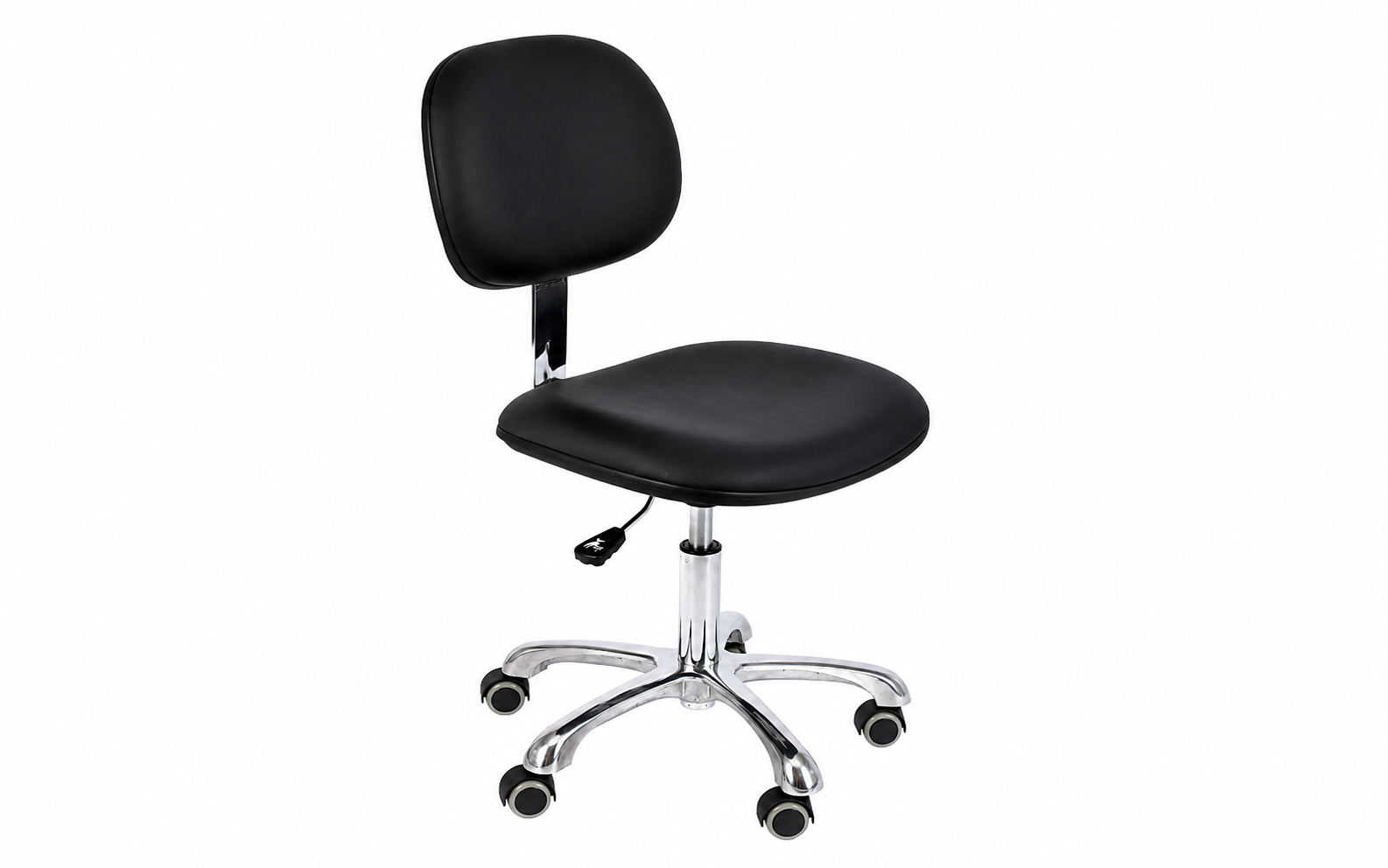
Distributors in Argentina can set appropriate minimum order quantities for laboratory chairs based on market demand by replacing one fixed MOQ rule with a demand-cluster model that reflects how different B2B customers actually purchase laboratory seating. A single minimum order quantity may look simple, but it often fails in a market where universities, hospitals, pharmaceutical laboratories, biotechnology facilities, food testing centers, environmental analysis rooms, technical education institutions, and industrial inspection departments all buy with different timing, volume, approval procedures, and service expectations. A university may need a larger quantity for classroom standardization before a semester begins, while a hospital may buy smaller but more urgent batches for diagnostic work areas. A pharmaceutical quality-control project may require controlled product identity and phased delivery, while an industrial inspection customer may need replacement chairs based on production-line expansion. A product such as industrial polyurethane with chrome foot ring and casters adjustable laboratory chair can be used as a practical MOQ planning reference because it may serve several high-value laboratory applications, but demand for the same chair can appear as bulk project orders, recurring replacement orders, showroom demonstration orders, dealer trial orders, and urgent single-room replenishment. Argentine distributors should first collect inquiry data by customer sector, requested quantity, region, lead time, quotation conversion rate, approval stage, rejected price points, delivery complexity, and reorder probability. This data helps separate real market demand from casual inquiries. For example, if many customers ask for one or two units but rarely convert, the distributor should not build its whole MOQ policy around low-commitment demand. If medium-size orders from repeat institutional buyers convert more often, the MOQ should encourage those buyers to consolidate purchases. If regional dealers can generate stable demand only when MOQ is achievable, the distributor may need dealer-specific thresholds. This approach attracts Argentine distributors and customers because it shows that MOQ is not a barrier created for supplier convenience; it is a commercial planning tool designed to balance availability, cost control, service quality, and long-term purchasing confidence.
The second step is to design flexible MOQ tiers that connect customer demand with inventory exposure, supplier production requirements, and distributor profitability. When offering industrial polyurethane with chrome foot ring and casters adjustable laboratory chair, an Argentine distributor can build several MOQ levels instead of applying the same rule to every buyer. An immediate-stock MOQ can be lower because the product is already available and the distributor wants faster turnover. A project-order MOQ can be higher because the distributor may need to reserve stock, coordinate phased delivery, and prepare technical documents. A special-import MOQ can be tied to supplier production efficiency, container planning, currency exposure, and freight cost. A dealer MOQ can be designed around resale potential, regional coverage, and the distributor’s need to avoid fragmented shipments. A strategic-account MOQ can be connected to annual agreements, forecasted releases, and repeat standardization across multiple laboratory rooms. Each MOQ tier should include a clear commercial reason: lower MOQ for fast-moving local stock, consolidated MOQ for better unit pricing, project MOQ for delivery control, and forecast-based MOQ for supply stability. The distributor should also calculate the hidden cost of serving very small orders, including quotation time, warehouse handling, packaging, local freight, payment follow-up, after-sales communication, and inventory imbalance. If these costs are not measured, the distributor may accept many small orders that reduce operational efficiency while preventing better stock allocation for larger customers. At the same time, MOQs should not be set so high that serious buyers abandon the negotiation before understanding the value. Sales teams can offer MOQ bridges, such as mixed-model consolidation, scheduled release orders, deposit-based reservation, dealer pool purchasing, project phase grouping, or annual quantity commitments. This gives customers a practical path to reach better pricing without forcing unnecessary overbuying. Argentine B2B buyers respond well when distributors explain how MOQ affects lead time, freight efficiency, price stability, and after-sales support. By presenting MOQ as a planning conversation, distributors can reduce resistance, protect margins, and improve conversion among customers who need professional laboratory chair procurement support.
The third requirement is to review MOQ performance continuously so the policy evolves with market demand instead of becoming an outdated sales obstacle. After customers purchase industrial polyurethane with chrome foot ring and casters adjustable laboratory chair, distributors should record customer type, requested quantity, accepted MOQ, final order size, discount level, stock source, delivery region, fulfillment cost, payment behavior, quotation cycle, service workload, reorder timing, and customer feedback. These records allow managers to identify which MOQ levels produce profitable growth and which ones create lost opportunities. If many qualified buyers request quantities just below a current threshold, the distributor can test a transitional MOQ with slightly different pricing or delivery terms. If customers that meet higher MOQs rarely reorder, the distributor should review whether they were forced into oversupply rather than building real demand. If small trial orders lead to larger repeat purchases, a controlled entry-level MOQ may be valuable as a customer-acquisition tool. If urgent low-volume orders consume too much service capacity, the distributor may need a service charge, higher unit price, or stocked replacement program. Performance dashboards should measure MOQ-to-conversion rate, average order value, gross margin after logistics, inventory turnover, stockout frequency, warehouse handling cost, dealer participation, project win rate, reorder conversion, and customer lifetime value. Supplier communication should also be linked to MOQ data. Overseas manufacturers or production partners can support better MOQ planning when distributors share demand forecasts, preferred configurations, seasonal purchasing windows, and regional customer patterns. SEO-friendly content can support the strategy by educating Argentine distributors and customers about laboratory chair bulk purchasing, project quantity planning, MOQ negotiation, stock availability, and B2B procurement efficiency. Such content can attract buyers searching on Google for practical laboratory furniture sourcing guidance and help them understand why professional MOQ policies protect both price and supply stability. Ultimately, distributors in Argentina can set appropriate minimum order quantities for laboratory chairs based on market demand by combining demand clustering, flexible MOQ tiers, supplier alignment, inventory cost analysis, customer segmentation, performance dashboards, and market education. This creates a healthier B2B sales model that supports larger orders, reduces random discounting, improves stock planning, strengthens distributor credibility, and gives Argentine customers a more reliable path to long-term laboratory chair procurement.
READ MORE