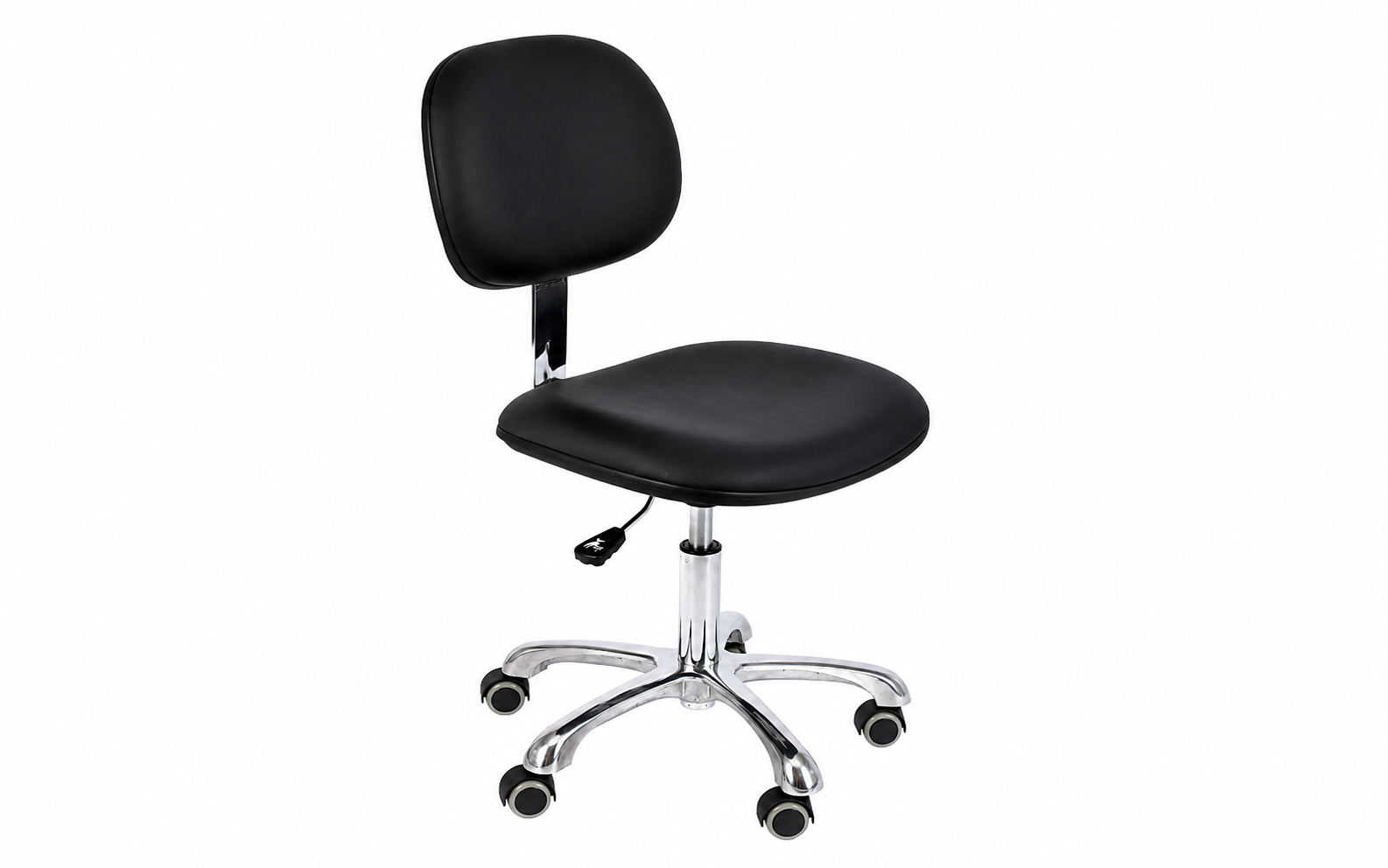
Distributors in Argentina can avoid price competition by developing exclusive laboratory chair models that are designed around local B2B application needs instead of reselling the same catalog products available to every competing dealer. When multiple distributors offer identical chairs with similar product images, similar specifications, and similar supplier descriptions, buyers naturally push the conversation toward the lowest unit price. Exclusive models change this dynamic because they allow distributors to define unique product value, protect channel identity, and make direct price comparison more difficult. The process should begin with a market-specific design brief based on real Argentine customer segments: universities that need standardized classroom seating, hospitals and diagnostic laboratories that need dependable service support, pharmaceutical and biotechnology customers that need repeatable specification control, food testing centers that need practical cleaning routines, technical education institutions that need durable shared-use products, and industrial quality-control areas that need stable workstations for daily inspection tasks. A product concept such as industrial polyurethane with chrome foot ring and casters adjustable laboratory chair can be used as a foundation for exclusive development because it combines features that matter in many professional environments, including a practical polyurethane surface, elevated-bench support, adjustable working height, and mobile movement between nearby laboratory tasks. However, exclusivity should not be cosmetic only. Argentine distributors should work with overseas manufacturers to define seat dimensions, base options, caster type, foot ring finish, packaging level, warranty files, spare parts rules, labeling, product code structure, and localized Spanish documentation. This makes the exclusive model a controlled B2B solution rather than a renamed standard item. For Argentine distributors and customers, the advantage is clear: customers receive a product configured for local laboratory use, while distributors gain stronger commercial control, better margin protection, and a more credible reason to discuss lifecycle value instead of matching every competitor’s discount.
The second step is to build exclusivity through feature architecture, supplier agreements, and channel rules that support long-term differentiation. When developing industrial polyurethane with chrome foot ring and casters adjustable laboratory chair as an exclusive or semi-exclusive model, distributors should decide which features will become protected selling points and which features can remain standard for cost efficiency. For example, the distributor may choose a specific height range for common Argentine laboratory benches, a preferred caster configuration for institutional floors, reinforced packaging for import routes, a consistent chrome foot ring specification, a locally branded product label, a standardized spare parts kit, and a documentation package that includes technical sheets, assembly guides, warranty explanations, and project quotation templates. These elements give the sales team more than a product name; they provide a story that connects specification, usability, logistics, and after-sales service. Supplier agreements should also protect the distributor’s investment. If the overseas manufacturer sells the same model with the same configuration to every channel in Argentina, the distributor cannot maintain differentiation. Therefore, agreements should define model exclusivity, territory expectations, minimum annual quantity, private-label rules, component-change notice, sample approval, marketing material ownership, and whether similar models can be supplied to other buyers. This does not always require full exclusivity, which may be difficult for smaller distributors; it can also be achieved through controlled configuration exclusivity, custom packaging, distributor-owned product codes, bundled spare parts, or value-added service packages. Sales teams should then position the exclusive model around measurable B2B outcomes, such as easier procurement approval, predictable reorder identity, lower mismatch risk, stronger warranty handling, better project documentation, and more stable supply planning. Argentine customers may still ask for discounts, but the distributor can redirect the conversation toward why the model is not a commodity. It includes local market feedback, documented configuration logic, project support, receiving guidance, and distributor accountability. This reduces the pressure to compete only with low-cost sellers that cannot provide the same controlled specification or post-sale structure.
The third requirement is to market exclusive laboratory chair models as a complete B2B procurement platform, not merely as a private-label product. After launching industrial polyurethane with chrome foot ring and casters adjustable laboratory chair, distributors should create a market development system that includes showroom demonstrations, pilot laboratory installations, Spanish-language product pages, comparison guides, customer training materials, tender support files, warranty claim procedures, spare parts records, and reorder programs. This allows the exclusive model to become searchable, understandable, and repeatable across the Argentine market. SEO-friendly content is especially important because buyers often research laboratory chair suppliers, B2B laboratory furniture, technical documentation, warranty support, import packaging, bulk procurement, and local distributor service before requesting a quotation. A distributor that publishes useful content about its exclusive model can attract Argentine customers through Google while educating procurement teams before the first sales call. Performance tracking should measure quotation conversion, discount frequency, average order value, showroom response, dealer adoption, customer clarification requests, reorder rate, complaint reduction, realized margin, and product recognition by sector. If the exclusive model improves conversion but still requires excessive discounts, the distributor should strengthen value communication or add service features. If customers like the product but worry about supply continuity, the distributor should improve forecast planning and supplier stock commitments. If dealers do not promote the model consistently, the distributor should create a clearer sales playbook and application-based training. Exclusive models also support long-term account development because customers can standardize a unique approved specification across several rooms, branches, or future projects, making reorder decisions easier and reducing the chance that competitors replace the distributor with a visually similar low-price alternative. Ultimately, distributors in Argentina can avoid price competition by developing exclusive laboratory chair models through local demand research, supplier co-development, configuration protection, documentation control, branded sales materials, showroom proof, SEO visibility, and lifecycle service programs. This strategy helps Argentine distributors and customers move from price comparison to value comparison, strengthens distributor credibility, improves procurement confidence, protects margins, and creates a more defensible B2B laboratory furniture business model in Argentina’s professional market.
READ MORE