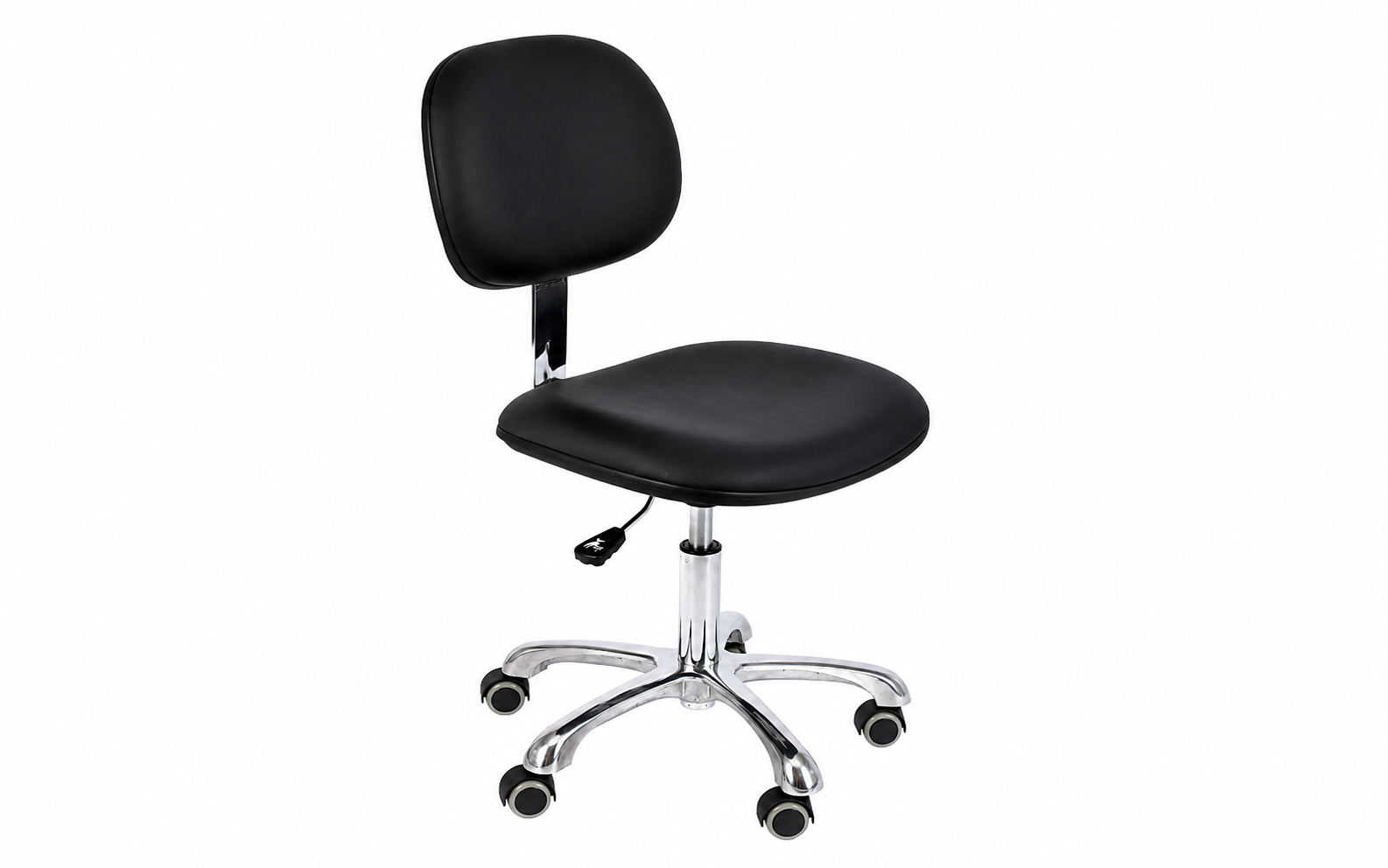
For Argentine laboratory buyers, distributors, and project contractors, assessing a laboratory chair supplier should begin with evidence of professional capability rather than a polished catalog. A credible supplier should be able to explain how its products are developed, tested, documented, and adapted for different laboratory environments, and it should provide this information in a form that purchasing teams can verify. Buyers should request a structured company profile covering years in business, production capacity, export markets, engineering resources, quality-control procedures, and experience with laboratories in sectors such as pharmaceuticals, education, food testing, electronics, healthcare, and industrial research. The strongest suppliers can provide clear product drawings, material specifications, loading data, dimensional tolerances, packaging standards, and maintenance instructions without delaying the quotation process. When evaluating an industrial polyurethane with chrome foot ring and casters adjustable laboratory chair, buyers should ask how the polyurethane components are molded, how the gas-lift and adjustment mechanisms are selected, how the chrome foot ring is attached, what caster options are available, and which inspections are performed before shipment. These questions reveal whether the supplier understands the product technically or is simply reselling it. Argentine distributors should also look for consistency between sales claims and supporting documents. If a supplier promotes durability, cleanability, ergonomic adjustment, or industrial suitability, it should be prepared to show test reports, material declarations, internal inspection records, or customer applications that support those claims. A professional supplier will not avoid detailed questions about defects, tolerances, replacement components, or expected service life. Instead, it will explain the limits of the product, recommend the correct configuration, and identify situations where another model would be more appropriate. This level of transparency is especially important in B2B transactions because one unsuitable specification can affect dozens or hundreds of workstations, create warranty disputes, and damage the distributor’s relationship with the end customer. Buyers in Argentina should therefore score potential suppliers against a written evaluation matrix that includes technical responsiveness, documentation quality, quotation accuracy, production planning, communication speed, and willingness to support product selection. A supplier that performs well across these areas is more likely to contribute to a stable commercial partnership than one that competes only on unit price.
Industry experience should be tested through traceable project knowledge and repeatable problem-solving ability. Instead of asking only how many years a supplier has operated, buyers should ask what types of laboratory seating projects the supplier has completed, what challenges occurred, and how those challenges were resolved. Useful evidence may include anonymized order histories, application photographs, customer references, repeat-order rates, export documentation, and examples of modifications made for specific workstation heights or cleaning requirements. During a video factory review or on-site audit, Argentine buyers can examine raw-material storage, molding or assembly areas, incoming inspection, in-process quality checks, finished-goods testing, packaging, and spare-parts management. They should observe whether production records are organized, whether workers follow consistent assembly procedures, and whether rejected items are separated and analyzed. A supplier with genuine experience can explain how it prevents recurring defects and how it controls variation between batches. For an industrial polyurethane with chrome foot ring and casters adjustable laboratory chair, the buyer should verify that the supplier can maintain consistent seat dimensions, reliable height adjustment, stable foot-ring positioning, secure caster installation, and appropriate surface finishing across volume orders. Buyers should also evaluate the supplier’s ability to manage B2B communication. Professional partners provide complete answers, identify assumptions in the quotation, confirm lead times realistically, and alert customers early when a risk appears. They should be able to discuss container loading, mixed-model orders, labeling, spare parts, sample approval, and packaging protection with the same confidence used to discuss the chair itself. Argentine distributors can strengthen due diligence by placing a controlled sample or pilot order before a larger commitment. The pilot should not be judged only by appearance; it should be checked against the approved drawing, measured, tested under normal laboratory use, and reviewed for packaging quality and assembly consistency. The supplier’s response to feedback is equally important. Experienced suppliers document requested changes, confirm responsibility, and update specifications before mass production. Inexperienced suppliers often provide vague assurances without revising the technical record. By comparing how several suppliers handle the same pilot-order process, buyers can identify which company has the systems, discipline, and industry knowledge required for a long-term relationship.
Commercial reliability and after-sales capability complete the evaluation because professional performance must continue after the purchase order is issued. Argentine buyers should review how the supplier manages order confirmation, production milestones, pre-shipment inspection, documentation, warranty claims, and replacement components. A qualified supplier should provide a realistic production schedule, define inspection criteria, and allow the buyer or a third party to review goods before shipment when required. It should also maintain traceability for major components and be able to identify the batch, production date, and relevant inspection results if a problem occurs. Buyers should ask how quickly the supplier can supply replacement casters, gas lifts, foot rings, seats, or adjustment parts, because the practical value of an industrial polyurethane with chrome foot ring and casters adjustable laboratory chair depends not only on the original delivery but also on the ability to keep the chair in service. Warranty terms should be specific, written, and connected to a clear claims process. A supplier that offers broad promises but cannot explain the evidence required, response time, or replacement method creates unnecessary risk for distributors. Buyers should also evaluate financial and operational stability through business registration, export history, trade references, banking information, and continuity planning for key materials. For B2B distributors in Argentina, supplier capability should ultimately be judged by the supplier’s contribution to the distributor’s own market position. The best partners help prepare technical proposals, answer end-user questions, support samples, provide original images and product data, and maintain consistent quality across repeat orders. They can also help local distributors build credible Google content by supplying accurate technical information, application guidance, maintenance advice, and product differentiation that can be adapted for Argentine customers instead of copied from generic listings. A practical final step is to rank suppliers using weighted criteria: technical competence, laboratory-sector experience, manufacturing control, documentation, communication, delivery reliability, after-sales support, and total commercial value. Price should remain part of the evaluation, but it should not outweigh evidence of capability. When buyers use structured audits, pilot orders, reference checks, and measurable performance criteria, they can distinguish experienced laboratory chair manufacturers from opportunistic traders and select partners that support safer purchasing decisions, stronger customer confidence, and sustainable B2B growth in Argentina.
READ MORE