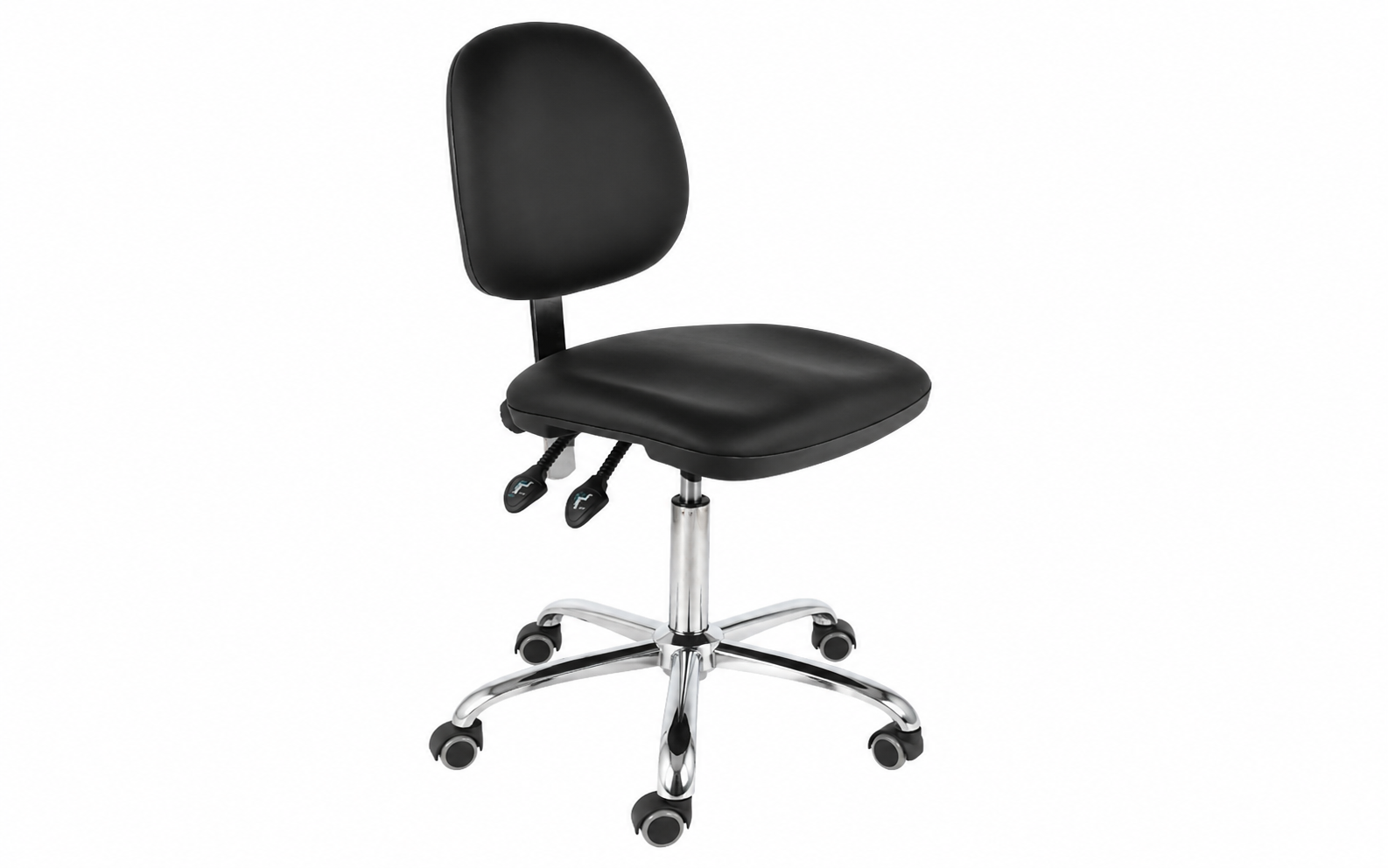
Importers in Argentina can optimize international laboratory chair procurement cooperation by building a structured pre-order system that removes ambiguity before price negotiation begins. International sourcing becomes inefficient when overseas suppliers receive incomplete drawings, unclear application details, or inconsistent instructions from sales, procurement, and technical teams. A stronger B2B process starts with one bilingual specification package that defines laboratory type, workstation height, floor conditions, cleaning routines, user load, expected quantity, preferred delivery schedule, packaging standards, warranty requirements, and required documentation. The importer should also distinguish mandatory specifications from negotiable preferences so the manufacturer can propose alternatives without changing critical performance. When sourcing an industrial polyurethane with chrome foot ring and casters adjustable laboratory chair, the package should identify seat-height range, polyurethane finish, base diameter, caster material, chrome ring position, adjustment mechanism, load expectations, labeling, and spare-parts requirements. Argentine importers should then qualify suppliers before requesting final offers by reviewing production capability, export experience, component sourcing, quality-control procedures, response speed, technical documentation, and willingness to support samples. This prevents the common mistake of selecting a supplier only because of a low initial quotation. A professional cooperation process should also assign one commercial contact and one technical contact on each side, with all decisions recorded in version-controlled files. Clear ownership reduces repeated questions and prevents contradictory instructions from reaching the factory. By improving the quality of technical inputs and supplier screening, importers can shorten negotiation cycles, improve quotation accuracy, and protect local distributors from receiving products that do not match the requirements of Argentine laboratories.
The second area of optimization is order execution, where milestones, samples, inspections, and change control determine whether cooperation remains reliable. Before mass production, the importer should approve a reference sample, technical drawing, bill of materials, packaging method, and inspection checklist. The approved sample should become the baseline for future comparison rather than a separate demonstration unit with different components. For an industrial polyurethane with chrome foot ring and casters adjustable laboratory chair, inspectors should verify seat dimensions, surface quality, adjustment performance, foot-ring position, caster installation, base stability, packaging protection, and component consistency. Every approval should have a date and revision number, and any later change should be handled through a written request that explains cost, lead-time, and quality impact. Argentine importers can improve communication by using milestone updates tied to meaningful events such as raw-material confirmation, production start, mid-process inspection, completion, pre-shipment inspection, and booking. This is more efficient than requesting frequent informal updates that do not support decisions. Payment terms can also be linked to measurable milestones, helping both buyer and supplier manage risk. Quality control should combine supplier self-inspection with independent verification for larger or more strategic orders, especially when new components, new packaging, or a new factory are involved. Importers should also prepare a corrective-action process that defines how defects are documented, how responsibility is determined, and whether the solution will involve rework, replacement, credit, or spare parts. This level of discipline strengthens long-term cooperation because both sides understand how problems will be managed before they occur.
The final area is landed-cost, logistics, and market coordination, which connects overseas procurement with real B2B demand in Argentina. Importers should calculate more than the factory price by including samples, molds, packaging, inland freight, export charges, ocean or air freight, insurance, customs-related costs, local delivery, storage, assembly, warranty exposure, and replacement parts. A lower unit price can lose its advantage if packaging is inefficient, damage rates are high, or the supplier cannot maintain approved components for repeat orders. When importing an industrial polyurethane with chrome foot ring and casters adjustable laboratory chair, the importer should optimize carton size, container loading, component protection, room or dealer labeling, and spare-parts quantities before shipment. Local sales data should also guide international purchasing. Argentine distributors can share forecast demand, sample feedback, regional projects, and replacement cycles so importers can consolidate orders, reduce emergency shipments, and negotiate more stable production schedules. A rolling forecast with base, accelerated, and delayed scenarios helps overseas suppliers plan materials while allowing the importer to manage exchange-rate and demand uncertainty. After delivery, importers should record actual lead time, defects, customer feedback, service cases, and reorder potential, then share relevant findings with the manufacturer. This creates a closed cooperation loop in which local market experience improves future production and sourcing decisions. Importers can also transform recurring questions into original Google-friendly content about international laboratory chair sourcing, supplier audits, pre-shipment inspection, landed-cost planning, and spare-parts strategy. For Argentine dealers and institutional buyers, the value of an importer is not simply access to overseas products; it is the ability to coordinate technical accuracy, quality, logistics, documentation, and after-sales support across borders. By combining standardized specifications, disciplined execution, transparent cost control, and market feedback, importers can build more reliable international partnerships and a stronger long-term position in Argentina’s laboratory seating market.
READ MORE