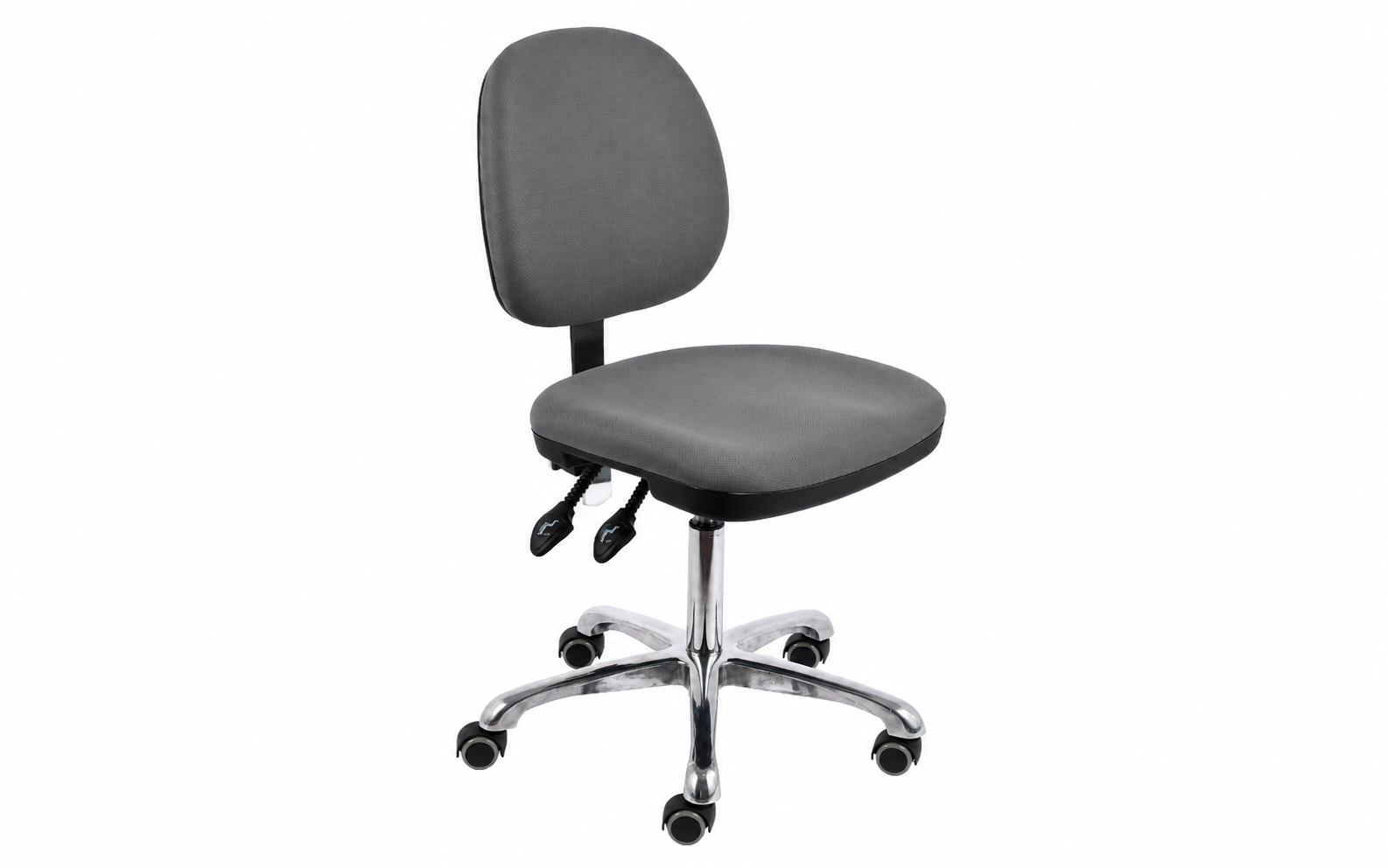
Laboratory chair distributors in Argentina can improve team capability by treating sales training as an operating system rather than an occasional product presentation. Many sales teams know model names and prices but struggle to diagnose the real application, explain technical differences, or guide a complex B2B buying committee. A strong training system should begin with a competency map that defines what every salesperson must know at each level. New representatives need basic knowledge of laboratory sectors, chair components, seat materials, height ranges, bases, casters, glides, foot rings, cleaning requirements, and common buying roles. More experienced account managers should learn how to analyze project timelines, compare specifications, manage samples, coordinate with procurement, and build multi-site growth plans. Managers can organize this knowledge into short modules supported by checklists, product comparison sheets, application photos, role-play scenarios, and field assignments. For example, when teaching an industrial polyurethane with chrome foot ring and casters adjustable laboratory chair, the trainer should move beyond reading features from a catalog. The team should practice identifying where the product fits, such as elevated benches, shared-user workstations, industrial laboratories, quality-control rooms, and environments that value easy cleaning and frequent repositioning. They should also learn where it may not fit, because professional selling depends on recommending the correct solution rather than forcing one model into every opportunity. Argentine distributors can make training more relevant by using real account cases from pharmaceutical plants, universities, food-testing laboratories, healthcare facilities, electronics workshops, and industrial research centers. Each case should include customer needs, decision makers, objections, technical constraints, and the final commercial outcome. This helps salespeople connect product knowledge with business context and prepares them to speak credibly with laboratory managers, procurement officers, architects, contractors, and end users.
The second part of the training system should focus on a repeatable sales process that improves accuracy from first contact to order confirmation. Distributors can train representatives to use a qualification framework covering application type, workstation height, flooring, cleaning routine, user count, shift pattern, expected quantity, budget status, decision authority, required documents, and target delivery date. This information should be captured in standardized CRM fields so managers can coach the team using visible evidence instead of relying on vague pipeline updates. Salespeople should learn how to convert technical details into business value. When discussing an industrial polyurethane with chrome foot ring and casters adjustable laboratory chair, the representative can explain how adjustability supports different users, how the foot ring helps at elevated workstations, how casters may improve movement between instruments, and how polyurethane surfaces can support practical maintenance routines. The training should also include objection handling for price, lead time, warranty, sample availability, replacement parts, and comparison with lower-cost alternatives. Role-play is especially effective when managers use realistic buyer personalities: a procurement officer focused on cost, a laboratory manager focused on usability, a distributor focused on margin, or a facility manager focused on maintenance. After each role-play, the trainer should score question quality, listening, technical accuracy, commercial logic, and next-step control. Teams should also practice writing concise follow-up emails, preparing structured quotations, and documenting specification changes. In B2B sales, weak communication can destroy trust even when the product is suitable. A disciplined training system therefore needs standards for response time, proposal format, sample tracking, meeting notes, and internal handover. Argentine distributors can reinforce these habits through weekly deal reviews, monthly application workshops, and quarterly certification tests that require both written knowledge and live demonstration.
The final part of the system should connect training to measurable field performance and continuous improvement. Managers should define indicators such as qualification completeness, sample-to-order conversion, quotation accuracy, average approval time, gross margin, repeat-order rate, and customer feedback. These metrics show whether training is changing behavior rather than simply increasing attendance. New salespeople can be paired with experienced mentors for joint visits, while managers review call recordings, proposal quality, and lost-order reasons to identify recurring skill gaps. If the team repeatedly loses opportunities because it cannot explain caster selection, foot-ring positioning, or total cost of ownership, the next training module should address those issues directly. Product demonstrations should also be standardized. When presenting an industrial polyurethane with chrome foot ring and casters adjustable laboratory chair, every representative should follow the same sequence: confirm the application, demonstrate adjustment, evaluate movement on the customer’s floor, discuss cleaning, review component serviceability, and agree on the next decision milestone. This consistency helps Argentine distributors build a reliable market reputation even when several salespeople serve different regions. The training library can also support Google-friendly marketing by turning proven field questions into original articles, FAQs, comparison guides, and application pages for Argentine buyers. Sales and marketing should share one content calendar so that customer objections become educational material and online inquiries return to the team as better-qualified leads. Over time, this creates a closed learning loop: the market generates questions, the team documents answers, managers improve training, and the company publishes more useful content. A mature sales training system therefore becomes a strategic B2B asset. It reduces dependence on individual talent, accelerates onboarding, improves technical credibility, increases quotation precision, and helps distributors serve laboratories, dealers, contractors, and institutional customers with a consistent standard of professionalism across Argentina.
READ MORE