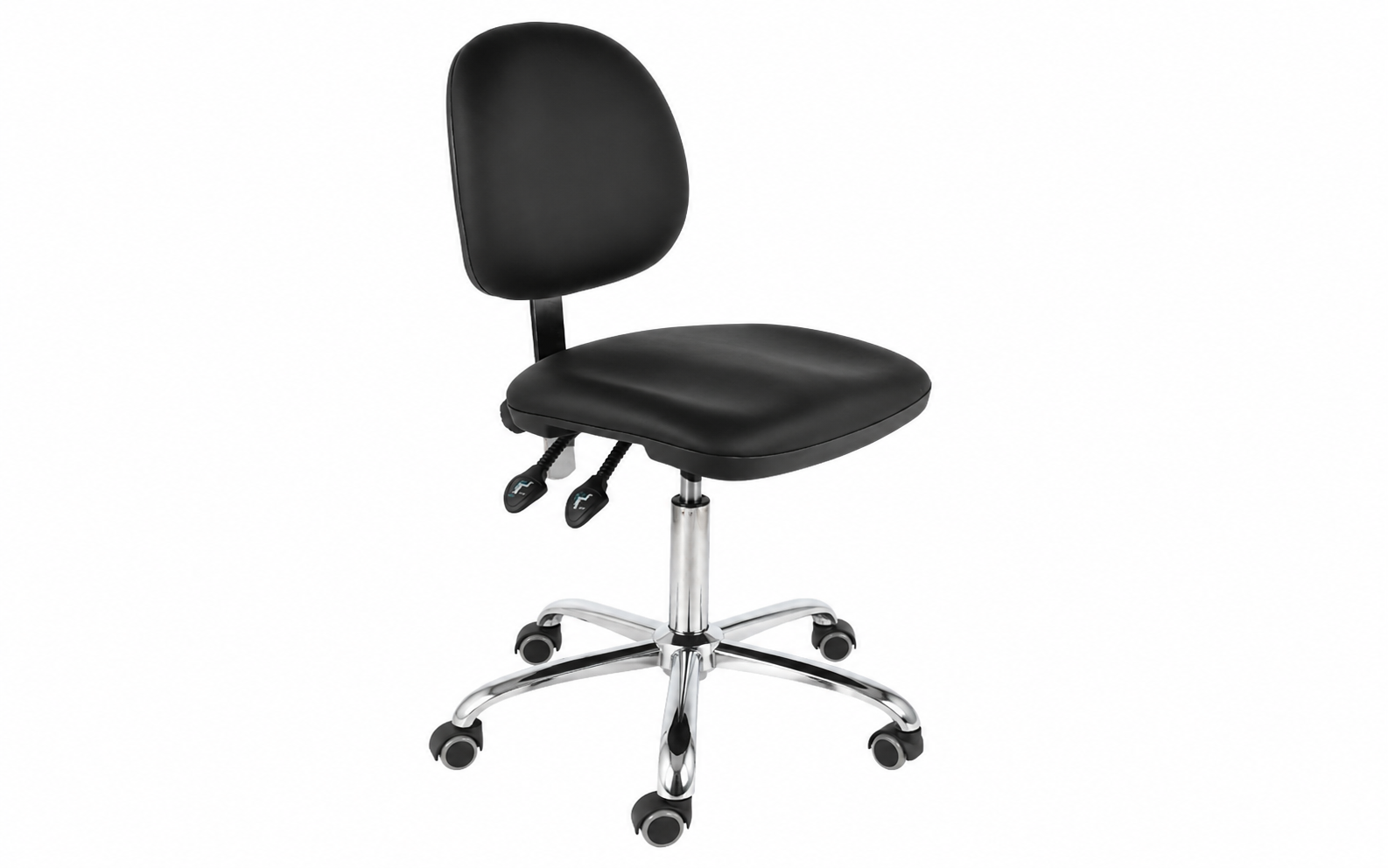
Companies in Argentina can reduce time waste during laboratory chair procurement by removing uncertainty before suppliers are asked to quote. Many delays begin when buyers send incomplete requests, different departments use different specifications, or no one is clearly responsible for the final decision. A faster B2B process starts with one standardized requirement sheet that records laboratory type, workstation height, floor condition, cleaning routine, number of users, expected quantity, preferred delivery date, warranty expectations, and required technical documents. Procurement teams should also separate mandatory requirements from optional preferences so suppliers can prepare accurate proposals without repeated clarification. When the project involves an industrial polyurethane with chrome foot ring and casters adjustable laboratory chair, the requirement sheet should define the seat-height range, base diameter, caster type, foot-ring position, polyurethane surface expectations, user load, and clearance around benches or equipment. Argentine distributors can support this process by providing application checklists, dimensional drawings, configuration comparisons, and clear sample procedures. Buyers should appoint one project owner to consolidate comments from laboratory managers, users, facilities, safety, finance, and procurement before any response is sent to the supplier. This prevents contradictory instructions and eliminates the common cycle of quotation revision, internal re-review, and renewed supplier questions. A shared document with version control, approval status, and open issues gives all stakeholders access to the same information and makes it obvious which decision is blocking progress. By improving the quality of the first request, companies can reduce the number of meetings, shorten supplier response time, and avoid wasting days correcting assumptions that should have been defined at the beginning.
The next opportunity is to shorten the technical and commercial evaluation stages by using prequalified suppliers, structured samples, and decision-ready comparison tools. Instead of asking many vendors for generic prices, Argentine procurement teams should first screen suppliers for application knowledge, documentation quality, production consistency, lead-time reliability, warranty support, and spare-parts availability. Only qualified suppliers should advance to the sample or quotation stage. This reduces the time spent reviewing offers that cannot meet the project’s technical or service requirements. If an industrial polyurethane with chrome foot ring and casters adjustable laboratory chair is being evaluated, the sample test should follow a fixed checklist covering seat-to-bench alignment, adjustment, foot support, caster movement, floor compatibility, cleaning, stability, and multi-user suitability. Results should be documented immediately and shared with all approvers, rather than collected informally over several weeks. Commercial comparison should also be standardized. Buyers can use a table that shows unit price, sample cost, freight, taxes, packaging, delivery, spare parts, warranty, payment terms, and total landed cost. This makes proposals easier to compare and reduces repeated requests for missing information. Argentine distributors can improve efficiency by submitting concise decision packages rather than long catalogs. A strong package includes an executive summary, confirmed specification, sample findings, price structure, delivery schedule, warranty process, and the exact next action required from the buyer. Procurement teams should set deadlines for each review stage and define an escalation path when an approval is late. Weekly exception meetings can focus only on blocked decisions, while routine approvals move through the system without unnecessary discussion. This milestone-based approach reduces administrative waiting and helps both buyers and suppliers maintain momentum.
Time waste can be reduced further after approval by improving order execution, communication, and repeat-purchase planning. Once the product is selected, the buyer and supplier should confirm the final specification, quantity, production schedule, inspection criteria, packaging, shipping documents, delivery contact, and claims process in one order-confirmation file. Any change after approval should be handled through a written change request that explains the impact on cost and lead time. For an industrial polyurethane with chrome foot ring and casters adjustable laboratory chair, this is particularly important because changes to caster type, foot-ring position, seat height, or packaging can trigger production delays and repeated internal approvals. Suppliers should provide milestone updates only when they add value, such as completion of production, inspection readiness, shipment booking, or delivery risk. Procurement teams should avoid requesting frequent status messages without a defined purpose, while suppliers should flag problems early rather than waiting until the deadline is threatened. After delivery, companies should record the approved configuration, actual lead time, supplier performance, user feedback, and reorder potential. This creates a reusable purchasing record so future projects do not restart from zero. Argentine distributors can maintain account-specific files with approved drawings, commercial terms, spare-parts history, and service notes, helping customers place repeat orders faster. They can also create original Google-friendly content around efficient laboratory chair procurement, sample approval, specification templates, supplier qualification, and order tracking, attracting B2B buyers who want to reduce project delays. The overall objective is not to rush important decisions but to eliminate repeated work, unclear responsibility, and avoidable waiting. By standardizing inputs, qualifying suppliers, consolidating approvals, and preserving project data, Argentine companies can shorten procurement cycles, improve purchasing accuracy, and create more predictable long-term relationships with laboratory chair distributors and manufacturers.
READ MORE